

We all know the feeling: you’ve done your best to wind down, climbed into bed and somehow you’re still wide awake. While no drink can guarantee a perfect night’s sleep, what you choose to sip in the evening can become part of a calmer bedtime routine.
Hydration matters too. Drinking enough throughout the day helps your body function normally, but there is a balance to strike before bed. Too much liquid late in the evening can leave you waking up for trips to the bathroom, which rather defeats the point.
Quick Answer
Some drinks may be more sleep-friendly than others. Water, tart cherry juice, peppermint tea, chamomile tea, warm milk, banana smoothies, pure coconut water and valerian tea are all explored in this guide, alongside the ingredients and research associated with each one.
The key word here is may. A bedtime drink isn’t a treatment for insomnia or another sleep disorder, and the research behind different ingredients varies considerably. Think of your evening drink as one small part of a healthy sleep routine rather than a magic fix.
We’ll look at eight popular bedtime drinks, what the existing research says about them and what to keep in mind before making them part of your evening routine.
A Note Before You Fill Your Mug
Try not to drink large amounts immediately before bed, particularly if you’re prone to waking during the night to use the bathroom. If you’re regularly struggling to fall asleep or stay asleep, it’s worth looking at your wider sleep routine and speaking to a healthcare professional if the problem persists.

8 Drinks to Try Before Bed
If you’re struggling to switch off at night, your evening routine can make a difference. While no drink can cure insomnia, some drinks may be a more sleep-friendly choice than others and can form part of a relaxing bedtime routine.
From simple water to herbal teas and tart cherry juice, here are eight drinks explored in the original Land of Beds guide, along with what the research says about each one.
1. Water
It might not be the most exciting option on the list, but staying properly hydrated can make a real difference to how comfortable you feel at night.
Water supports a huge number of everyday functions in the body, including temperature regulation, circulation and digestion. If you’re dehydrated, symptoms such as thirst, headaches or muscle cramps can make it harder to settle and stay comfortable while you sleep.
Why Hydration Matters for Sleep
The Sleep Foundation explains that dehydration can contribute to symptoms such as a dry mouth, headaches and muscle cramps, all of which can make sleep more difficult. Staying hydrated throughout the day is therefore a better approach than trying to make up for it with a large glass of water just before bed.
Our Advice
Keep water nearby if you tend to wake up thirsty, but try to do most of your drinking earlier in the day. Large amounts of fluid immediately before bed can lead to more night-time bathroom trips and interrupt your sleep.


2. Tart Cherry Juice
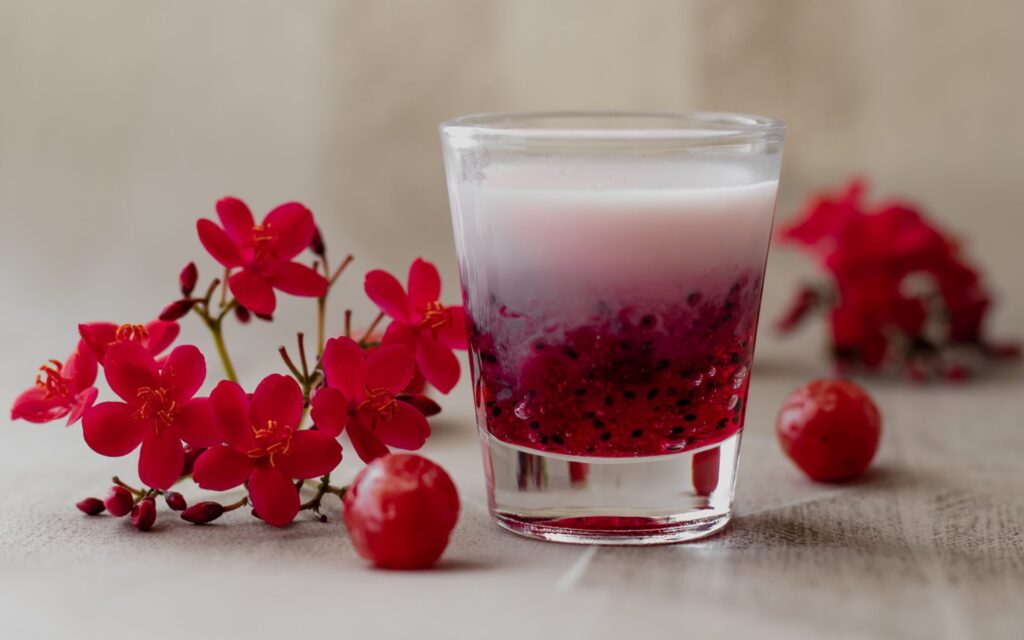
Tart cherry juice is one of the more widely researched drinks when it comes to sleep, particularly because tart cherries naturally contain compounds linked with the body’s sleep-wake cycle.
The original Land of Beds article highlights research from Louisiana State University, which looked at the effect of tart cherry juice on sleep in older adults experiencing insomnia.
Why Tart Cherries Are Linked With Sleep
Tart cherries contain naturally occurring melatonin, a hormone involved in regulating the body’s sleep-wake cycle. Some studies have suggested that tart cherry juice may support sleep duration or sleep quality in certain groups, although the evidence is still limited and it shouldn’t be treated as a cure for insomnia.
Worth Knowing
If you want to try tart cherry juice as part of your evening routine, keep an eye on portion size and added sugar. It may suit some people, but it isn’t a substitute for addressing persistent sleep problems with an appropriate healthcare professional.

3. Peppermint Tea
Peppermint tea is naturally caffeine-free, which makes it an easy evening alternative to regular tea or coffee if you’re trying to wind down before bed.
It doesn’t act as a sleep treatment, but the simple ritual of making a warm herbal tea can be a useful part of a calmer bedtime routine, especially if you’re trying to reduce caffeine later in the day.
Why It Can Work Well in the Evening
Peppermint tea is caffeine-free and has a fresh, soothing flavour, so it can be a good choice if you want something warm before bed without the stimulating effect of caffeinated drinks.
Important to Know
Peppermint tea should not be used as a treatment for sleep apnoea or other sleep disorders. If you regularly snore loudly, stop breathing during sleep, wake gasping or feel excessively tired during the day, speak to a healthcare professional.



4. Chamomile Tea
Chamomile tea has long been associated with winding down before bed, and because it is naturally caffeine-free, it can be an easy swap for regular tea or coffee in the evening.
Chamomile contains a plant compound called apigenin, which has been studied for its potential calming effects and its possible role in supporting sleep.
What Does the Research Say?
The research referenced in the original Land of Beds article suggests chamomile may support sleep quality in some people, although studies are relatively small and the evidence is not strong enough to treat chamomile as a treatment for insomnia.
The Science Bit: What Is GABA?
Gamma-aminobutyric acid, or GABA, is a neurotransmitter involved in calming activity in the nervous system and supporting relaxation and sleep. Some medicines and plant compounds can affect GABA-related pathways, although the strength of the evidence varies depending on the ingredient being studied.
Why We Like It as a Bedtime Drink
Even if chamomile doesn’t make you instantly sleepy, a warm, caffeine-free drink can become part of a consistent wind-down routine. Sometimes the routine itself is just as useful as the drink in helping signal that the day is coming to an end.


5. Warm Milk
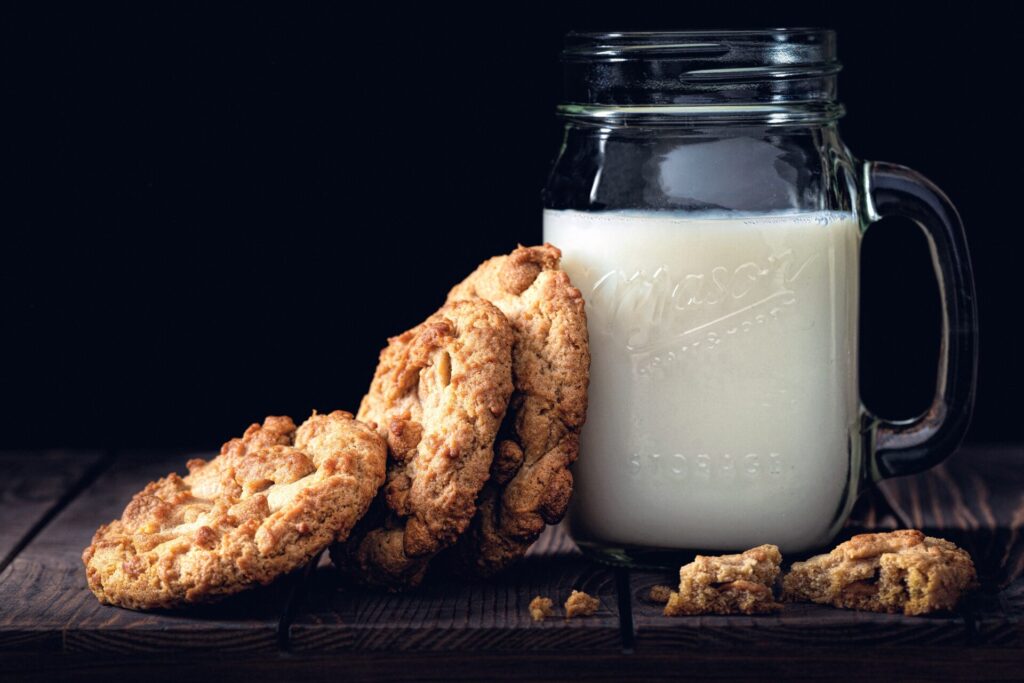
Warm milk is one of the most traditional bedtime drinks around. Long associated with winding down before sleep, part of the interest in milk comes from the nutrients it contains, particularly the amino acid tryptophan.
Milk itself isn’t a guaranteed sleep remedy, but tryptophan plays an important role in the body’s production of serotonin and melatonin, both of which are involved in mood, relaxation and the sleep-wake cycle.
The Science Bit: What Is Tryptophan?
Tryptophan is an essential amino acid used by the body to make proteins and other important compounds. Because the body cannot produce it itself, it needs to come from food.
Tryptophan is involved in the production of both serotonin and melatonin:
- Serotonin is a neurotransmitter involved in mood, cognition and other functions throughout the body.
- Melatonin is a hormone involved in regulating the body’s sleep-wake cycle and is naturally released in response to darkness.
Does Warm Milk Really Help You Sleep?
The science isn’t quite as simple as drinking a glass of milk and immediately feeling sleepy. The effect may come partly from the nutrients in milk and partly from the routine itself. A warm drink can become a familiar cue that it’s time to slow down and prepare for bed.

6. Banana Smoothie
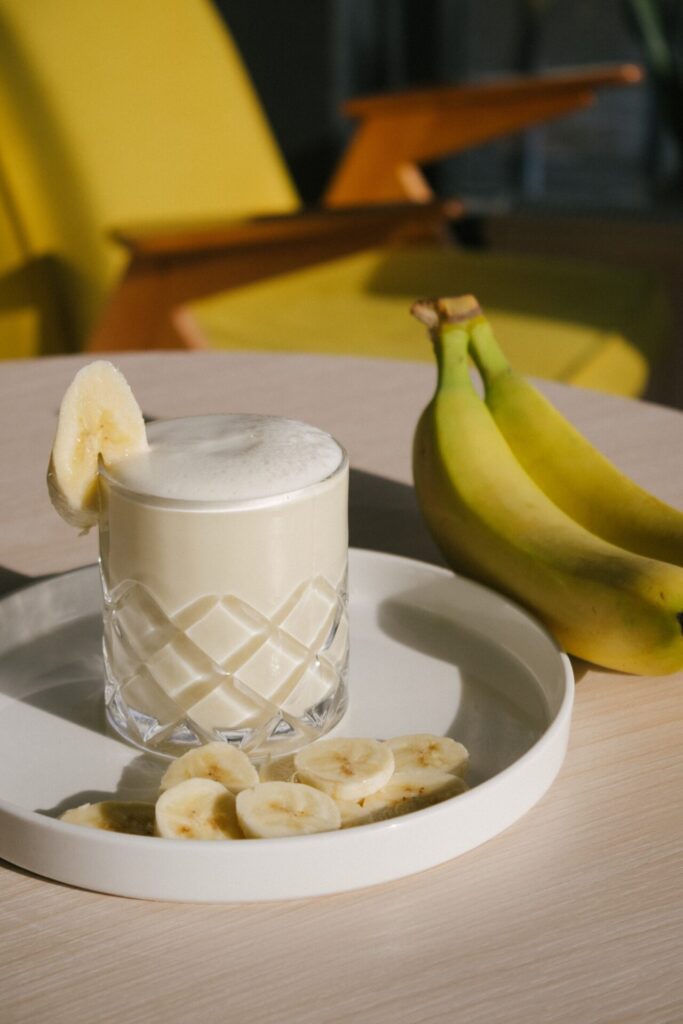
If you prefer something a little more substantial in the evening, a simple banana smoothie can be another option to try as part of your bedtime routine.
Bananas contain nutrients including magnesium and potassium, both of which play important roles in normal muscle and nervous system function. They also contain tryptophan, the amino acid we mentioned earlier in the warm milk section.
The Science Bit: Magnesium and Potassium
Magnesium is involved in hundreds of processes in the body, including normal muscle and nerve function. It has also been studied in relation to sleep, although the evidence around magnesium supplements and sleep quality is still mixed.
Potassium is an important mineral involved in normal muscle function and fluid balance. Together, these nutrients are part of what makes bananas a useful everyday food, even if they shouldn’t be thought of as a direct treatment for poor sleep.
Keep It Simple
If you’re making a banana smoothie before bed, there’s no need to turn it into a huge meal. Keep the portion modest and avoid loading it with lots of added sugar, particularly if you’re drinking it close to bedtime.

7. Pure Coconut Water
Pure coconut water contains electrolytes including potassium and magnesium, which support normal muscle and nerve function and help with hydration.
It isn’t a sleep aid in itself, but if you enjoy it, it can be a refreshing evening alternative to caffeinated or sugary drinks.
Choose a pure coconut water with no added sugar, and keep the portion modest if you’re drinking it close to bedtime.


8. Valerian Tea
Valerian has a long history of use as a herbal remedy for relaxation and sleep, and valerian tea is still a popular caffeine-free option before bed.
Some studies suggest valerian may help with sleep quality in certain people, but the evidence is mixed and it should not be treated as a guaranteed remedy for insomnia.
Worth Knowing
Valerian can cause side effects and may interact with medicines or other sedating substances. If you’re taking medication, pregnant, breastfeeding or have an existing health condition, speak to a healthcare professional before using valerian regularly.


So, What Should You Drink Before Bed?
There isn’t one perfect bedtime drink that will suddenly solve a difficult night’s sleep. What works for one person may do very little for another, and the research behind different ingredients varies considerably.
The simplest approach is to choose something caffeine-free that you genuinely enjoy and make it part of a relaxing evening routine. Water, herbal teas, warm milk or another light drink can all work well, as long as you’re not drinking so much that you’re waking up throughout the night.
If you’re regularly struggling to fall asleep, stay asleep or feel rested during the day, a bedtime drink is unlikely to be the whole answer. Looking at your wider sleep routine and speaking to a healthcare professional if the problem persists is a much better place to start.
More Sleep Advice
Unsure whether you’re getting enough sleep? Read our guide to how much sleep you really need.
You might also find these Land of Beds sleep guides useful:
- How to Get to Sleep Quickly
- Understanding the 4 Stages of Sleep
- How Many Pillows Should I Be Sleeping On?
Planning to Drink in Bed?
If your evening drink tends to make it all the way into bed with you, a waterproof mattress protector can help protect your mattress from accidental spills.
A Quick Note
This article is intended for general information only and isn’t a substitute for personalised medical advice. Herbal teas, supplements and other remedies can interact with medicines or be unsuitable for some people, so speak to an appropriate healthcare professional if you’re unsure.
About This Article
Written by
Judith Ackers
Judith brings her background in psychology, neuroscience and education to her role at Land of Beds, where she shares expert advice to help customers sleep better. From product buying guides to bedtime routines and sleep-friendly habits, Judith’s insights support Land of Beds’ mission to improve sleep for everyone.
Last updated by
Alice Littler
Alice brings a background in marketing, design and branding to Land of Beds, where she focuses on making sleep advice simple, relatable and practical for everyday life. She works closely with leading UK bed and mattress manufacturers, building her knowledge of mattress technology, bedroom comfort and sleep wellbeing.
Article reviewed and updated October 2026.