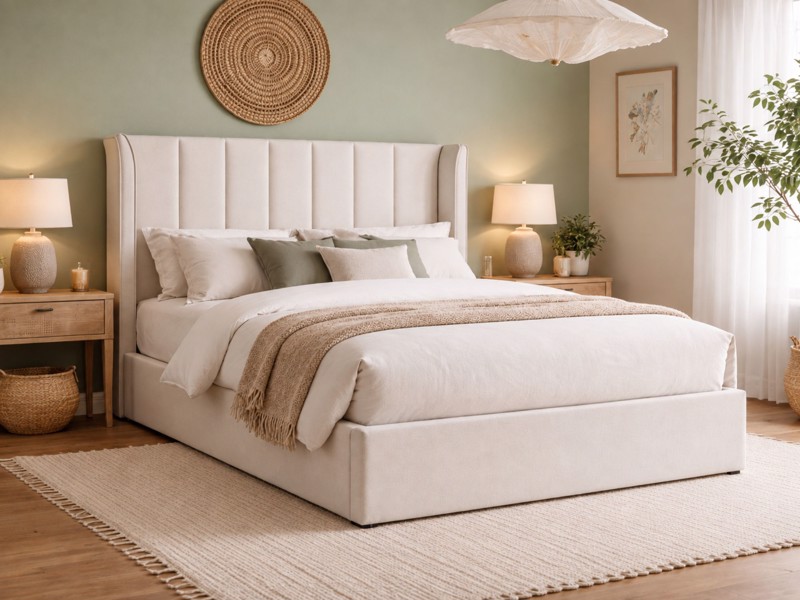
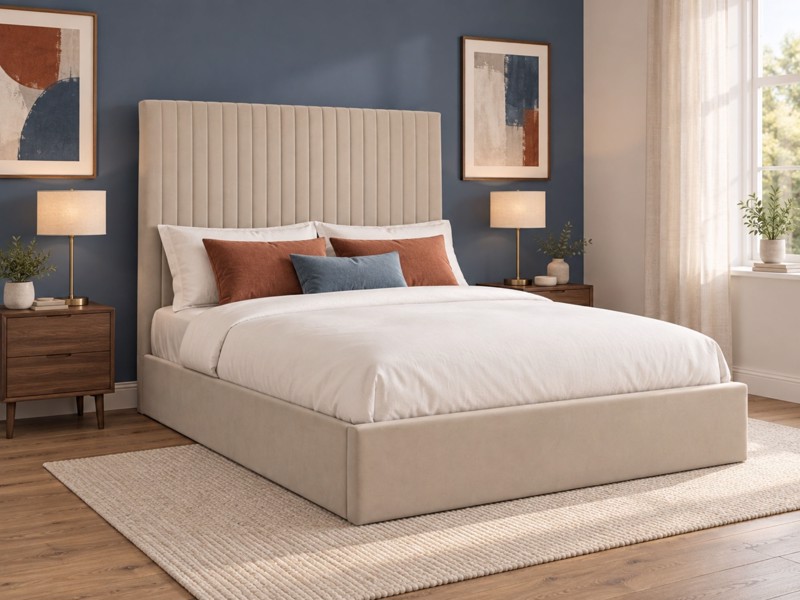
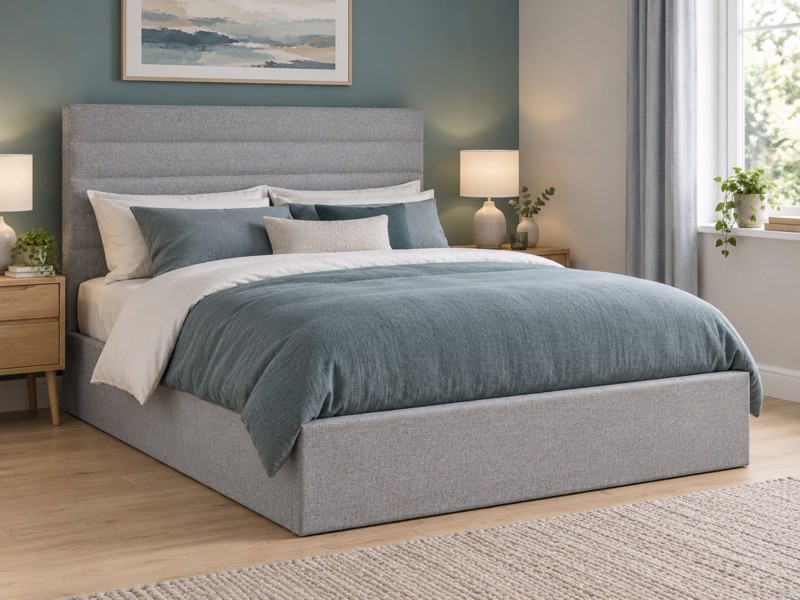
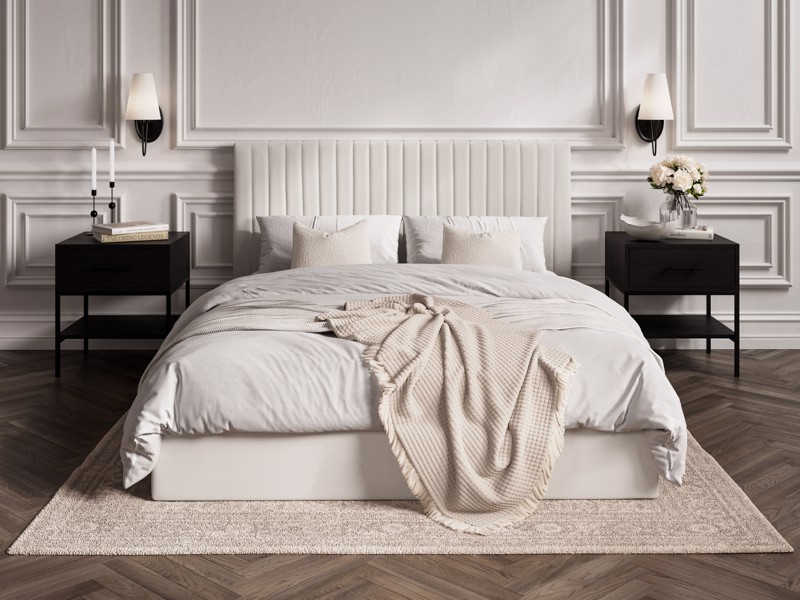
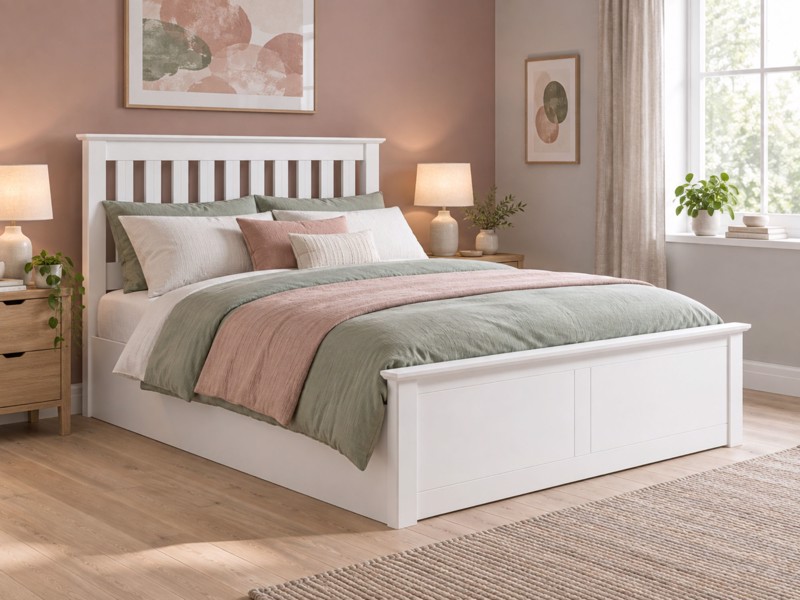
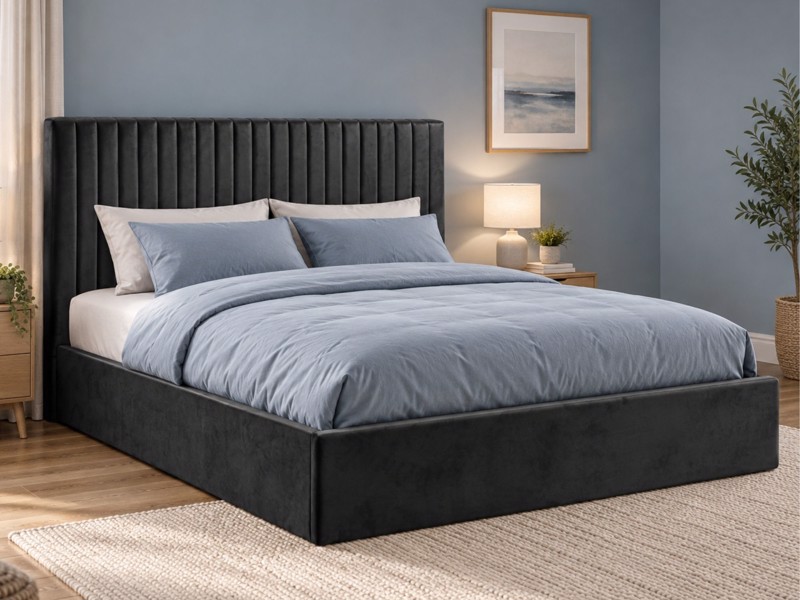
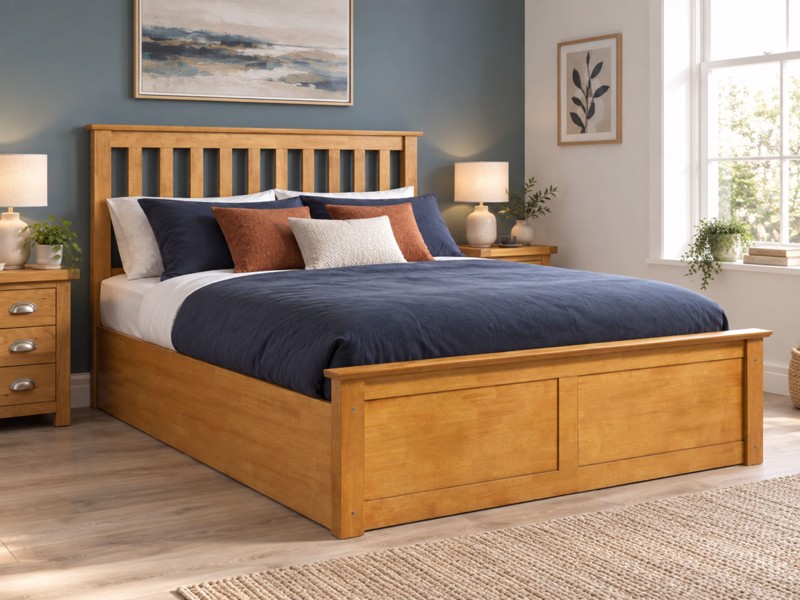
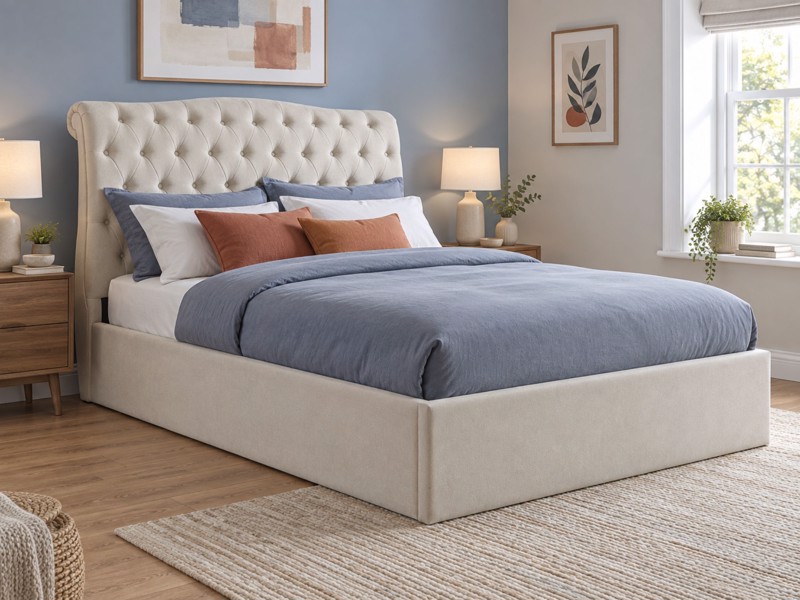
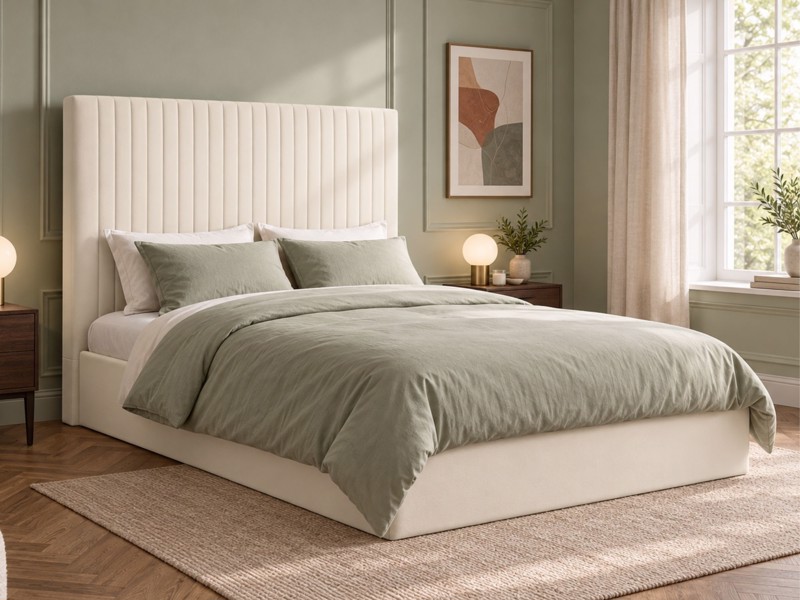
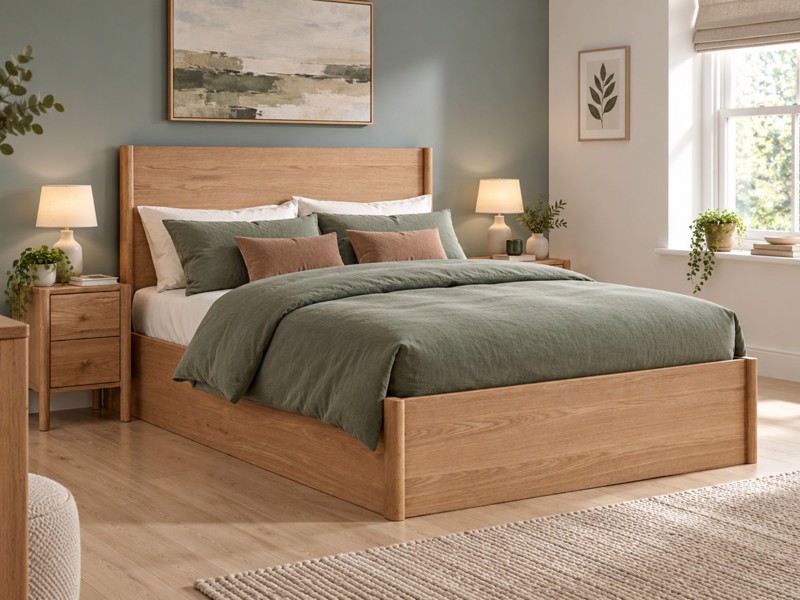
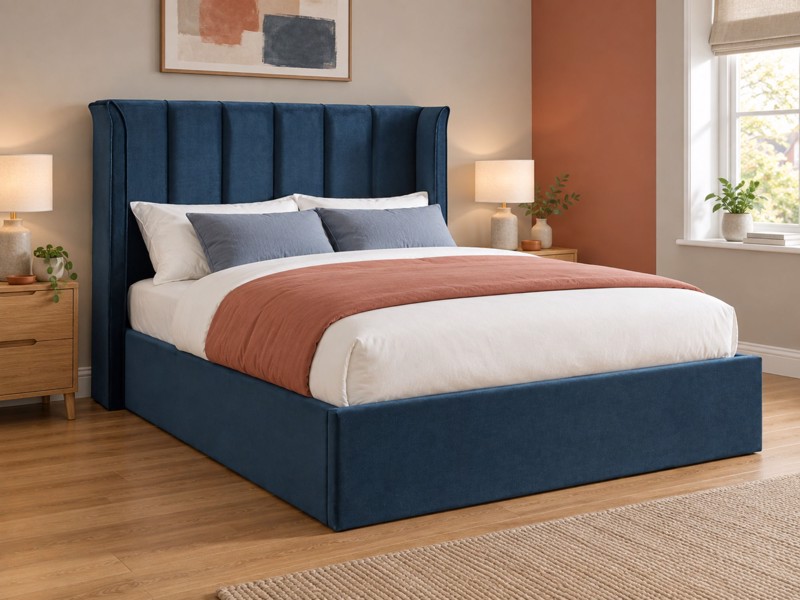
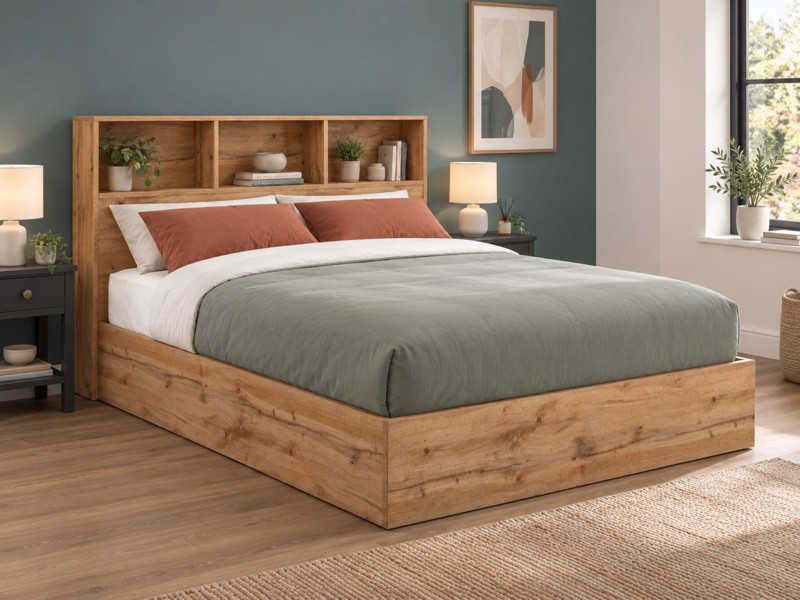
Ottoman beds combine a comfortable sleeping surface with useful storage beneath the mattress, making them a practical choice when bedroom space is limited. Choose from a wide range of fabric and wooden designs, with sizes from single to super king and both end-opening and side-opening options available across the range. Land of Beds has more than 50 years of experience helping customers choose beds, with free delivery on orders over £100, subject to postcode, a Price Promise Guarantee and expert advice seven days a week.
Browse our ottoman beds below, or use the quick links to shop by size, lift direction, material or next day delivery. Our team is here if you would like help choosing the right option for your room.
An ottoman bed is a useful way to add storage without giving up more floor space to extra furniture. The mattress platform lifts to reveal a storage area underneath, so the main decisions are the size you need, where you want the bed to open and which frame style suits your room. Once those are clear, choosing between fabric and wooden designs becomes much easier. Land of Beds has been helping customers choose beds for more than 50 years, and our team can talk through the practical details if you are unsure.
Three things make the biggest difference when choosing an ottoman bed. Get these right first, then focus on colour, headboard style and finish.
| Factor | Why It Matters | What to Check |
|---|---|---|
| Lift direction | End-opening and side-opening beds are accessed from different positions, so the right choice depends on your room layout. | Where you can comfortably stand and lift the bed without furniture getting in the way |
| Mattress compatibility | The gas-lift mechanism is designed to work within the mattress weight guidance set for each bed. | The minimum or maximum mattress weight stated on the individual product |
| Storage space | Internal storage dimensions and base construction vary between models. | Internal storage height, storage base and whether the space suits what you plan to store |
Not sure where to start? Decide where the bed will sit in the room, then choose the lift direction before comparing styles.
Your ottoman bed and mattress need to be the same UK size. The dimensions below refer to the mattress size, so remember that the overall bed frame will usually be larger.
| Size | Mattress Dimensions | Best For |
|---|---|---|
| Single (3ft) | 90 x 190cm | Children's rooms, teenagers, guest rooms and compact solo bedrooms |
| Small Double (4ft) | 120 x 190cm | Solo sleepers wanting more room, compact bedrooms and guest rooms |
| Double (4ft 6) | 135 x 190cm | Couples, guest rooms and main bedrooms where space is tighter |
| King Size (5ft) | 150 x 200cm | Couples wanting more width and length |
| Super King (6ft) | 180 x 200cm | Larger bedrooms and couples wanting maximum sleeping space |
Measure the full frame dimensions shown on the individual product page before ordering, not just the mattress size. Also check which side or end opens and make sure you can comfortably access it.
See our UK Bed Sizes Guide for more measuring advice.
Ottoman beds come in different materials and opening styles. The right combination depends on how your room is laid out and how you want the bed to look.
| Type | Key Features | Best For |
|---|---|---|
| End-opening ottoman | Opens from the foot end, storage accessed from the end of the bed | Rooms where both sides of the bed have furniture or limited access |
| Side-opening ottoman | Opens from one side, storage accessed from alongside the bed | Rooms where access at the foot is restricted |
| Fabric ottoman | Upholstered finish, padded designs and a wide choice of colours and textures | Bedrooms where the bed is a key part of the room's look |
| Wooden ottoman | Wood or wood-effect construction with integrated lift-up storage | Classic, natural and contemporary bedrooms |
Choose an end-opening ottoman if:
Choose a side-opening ottoman if:
Choose a fabric ottoman if:
Choose a wooden ottoman if:
In practice, lift direction is worth deciding before colour or headboard style. A bed that opens in the right place will be much easier to use day to day.
Both types use lift-up storage. The difference is where you stand to open the bed and which part of the room needs to remain accessible.
| End-opening Ottoman | Side-opening Ottoman | |
|---|---|---|
| Opening point | Opens from the foot end | Opens from one side |
| Room layout | Useful when bedside tables or walls restrict side access | Useful when the foot of the bed is closer to a wall or furniture |
| What to check | Clear access at the foot of the bed | Clear access on the opening side |
Browse end-opening ottoman beds or side-opening ottoman beds to narrow the range before choosing a style.
Material changes the look and feel of the bed, while the mechanism and storage construction should be checked on each individual product.
| Material | Performance and Maintenance | Best For |
|---|---|---|
| Fabric / Upholstered | Soft padded finish. Vacuum gently and spot clean according to the care instructions for the specific fabric. | Contemporary, cosy and hotel-inspired bedrooms |
| Wooden | Structured finish that is generally easy to wipe clean. Construction and wood type vary by model. | Classic, natural, Scandi and modern bedrooms |
| Metal | Slimmer visual profile and easy-to-clean surfaces where available in the range. | Minimalist or more traditional metal-frame looks |
If you are choosing mainly by appearance, start with the material. If storage access is the priority, choose the lift direction first.
Both add storage beneath the mattress, but they suit different habits and room layouts.
| Ottoman Beds | Beds with Drawers | |
|---|---|---|
| Storage access | Lift the mattress platform to access the storage area | Pull drawers out from the side or end |
| Best for | Bulkier items, spare bedding and storage you do not need every day | Smaller items you want to reach regularly |
| Room planning | Check access at the lift end or side | Allow enough floor space for drawers to pull out fully |
| Storage area | Often uses a large proportion of the bed footprint | Storage is divided into individual drawers |
If you want the largest practical storage area beneath the bed, an ottoman is usually the more relevant option. If quick everyday access matters more, drawers may suit you better.
Prices vary by size, material, construction and design. Rather than choosing on price alone, compare what you get for the money and how often the bed will be used.
| Budget Level | What to Look For | Best For |
|---|---|---|
| Lower-priced options | Straightforward frames, practical storage and simpler finishes | Guest rooms, first homes and tighter budgets |
| Mid-range options | Wider choice of materials, headboard designs and finishes | Everyday use in a main bedroom |
| Higher-priced options | More premium materials, construction details and finishes | Customers prioritising design, materials or long-term use |
Looking for an affordable ottoman bed? Use the filters to compare current prices across the range rather than relying on a fixed price band, as promotions and product availability change.
Our Price Promise Guarantee helps you compare like for like. Interest-free finance is also available on eligible orders and selected terms. See our beds on finance page for details.
Mike Murray, Land of Beds CEO: "With an ottoman bed, the first decision is not colour or fabric. It is where the bed needs to open. Get the lift direction right first, then choose the style."
Inclusions vary by product, so use this as a general guide and check the individual listing before ordering.
| Item | Typically Included? |
|---|---|
| Ottoman bed frame | Yes |
| Lift-up support base | Yes, but construction varies by model |
| Gas-lift mechanism | Yes |
| Headboard | Usually part of the frame where shown, but check the individual listing |
| Assembly fixings and instructions | Supplied where required for self-assembly |
| Mattress | No, unless the product is specifically sold as a bed and mattress package |
Always check the individual product listing for the exact specification, mattress requirements and everything included with your chosen bed.
| What We Offer | Why It Matters to You |
|---|---|
| 50+ years of experience | Advice from a retailer with decades of experience helping customers choose beds |
| Wide choice of ottoman beds | Compare different sizes, materials, colours and lift directions in one place |
| Free delivery on orders over £100 | Delivery is free on qualifying orders, although some further-out postcodes may incur a charge |
| Price Promise Guarantee | Extra reassurance when comparing a like-for-like product elsewhere |
| Interest-free finance available | Eligible orders can be spread over selected finance terms |
| Expert advice seven days a week | Speak to someone if you need help with size, lift direction or mattress compatibility |
| Family-run independent retailer | Personal support online, by phone and in store |
| 10,000+ verified Trustpilot reviews | Feedback from verified customers across the Land of Beds business |
For current delivery information, see our delivery page.
Choosing an ottoman is easier once you know the room dimensions, mattress size and where the bed can open. If you are unsure, our team can help you compare the options before you order.
| How to Reach Us | What to Expect |
|---|---|
| Live chat | Quick help with product, delivery and ordering questions during opening hours |
| Phone - 01928 242829 | Speak directly with the team for more detailed advice |
| In-store - Cheshire / Greater Manchester | Visit one of our stores to see beds and speak to the team in person |
| Help Centre | Buying guides and practical advice available online |
| Question | Answer |
|---|---|
| What is an ottoman bed? | An ottoman bed has a lift-up mattress platform with storage underneath. Gas-lift mechanisms assist the opening movement, and models can open from the foot end or from the side. |
| What is the best type of ottoman bed? | It depends on your room. End-opening models suit rooms with good access at the foot, while side-opening models can work better where the foot of the bed is restricted. After choosing the opening direction, compare material, size and storage dimensions. |
| What is the difference between end-opening and side-opening ottoman beds? | End-opening ottomans lift from the foot of the bed. Side-opening ottomans lift from one side. Choose according to where you can comfortably stand and access the storage in your bedroom. |
| Are ottoman beds worth it? | They can be a very practical choice if you need more storage but do not want extra freestanding furniture. The storage sits within the footprint of the bed, which makes good use of space that would otherwise be difficult to access. |
| What mattress can I use on an ottoman bed? | Mattress compatibility varies by model. Match the mattress size to the bed and check the individual product specification for any minimum or maximum mattress weight guidance before ordering. |
| Are ottoman beds hard to lift? | Gas-lift mechanisms are designed to assist with lifting the mattress platform. How the mechanism feels depends on the individual bed and the mattress fitted, so check the product's mattress weight guidance. |
| What size ottoman bed should I choose? | Choose the same bed size you would normally need for sleeping comfort and room space. Single is 90 x 190cm, small double is 120 x 190cm, double is 135 x 190cm, king is 150 x 200cm and super king is 180 x 200cm at mattress size. Check the full external frame dimensions before ordering. |
| Do ottoman beds come with a mattress? | Usually not. Most are sold as bed frames, with the mattress purchased separately unless the listing specifically says it is included. |
| Do ottoman beds require assembly? | This varies by model. Check the individual product listing for assembly information and what is included before ordering. |
| Can I store anything inside an ottoman bed? | Ottoman storage is commonly used for spare bedding, pillows, clothing and other household items. Check the internal storage dimensions and base construction on the individual product before storing larger or heavier items. |
| Do you offer free delivery on ottoman beds? | Free delivery is available on orders over £100. Some further-out postcodes may incur a charge, and lead times vary by product. See our delivery page for current information. |
| Can I buy an ottoman bed on finance? | Yes, finance is available on eligible orders, including interest-free options on selected terms. See our finance page for current eligibility and payment options. |
| Are next day delivery ottoman beds available? | Yes, selected ottoman beds are available with next day delivery. Availability can change, so use the Next Day Delivery quick link above to see the current range. |
| Are wooden ottoman beds available? | Yes. The range includes wooden ottoman beds as well as upholstered options. Use the Wooden Ottoman Beds quick link above to compare the current selection. |
| Should I choose an ottoman bed or a bed with drawers? | Choose an ottoman if you want a larger lift-up storage area and do not need to access the contents constantly. Drawers can be more convenient for everyday items, but they need enough floor space to pull out fully. |