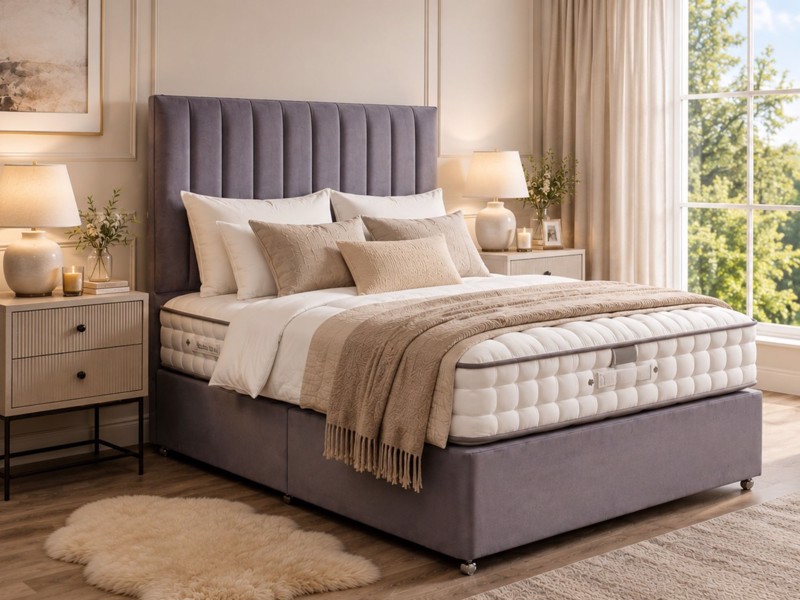
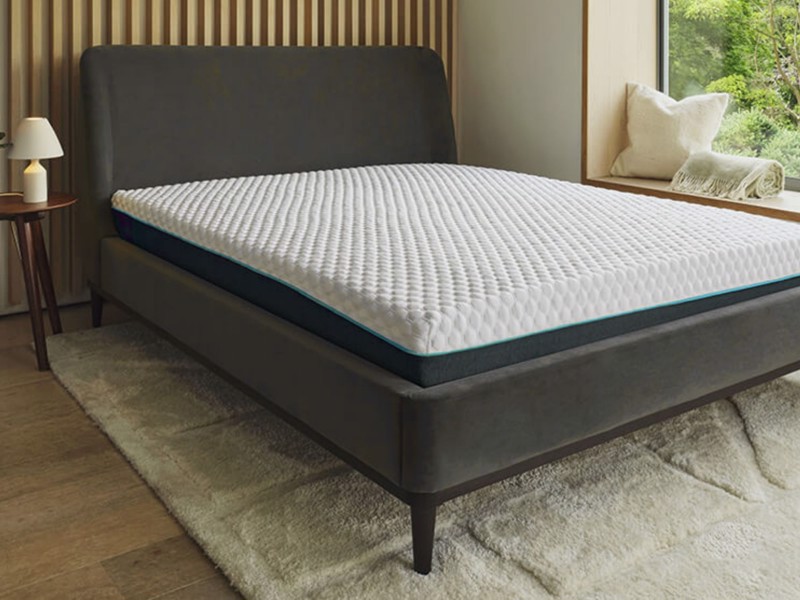
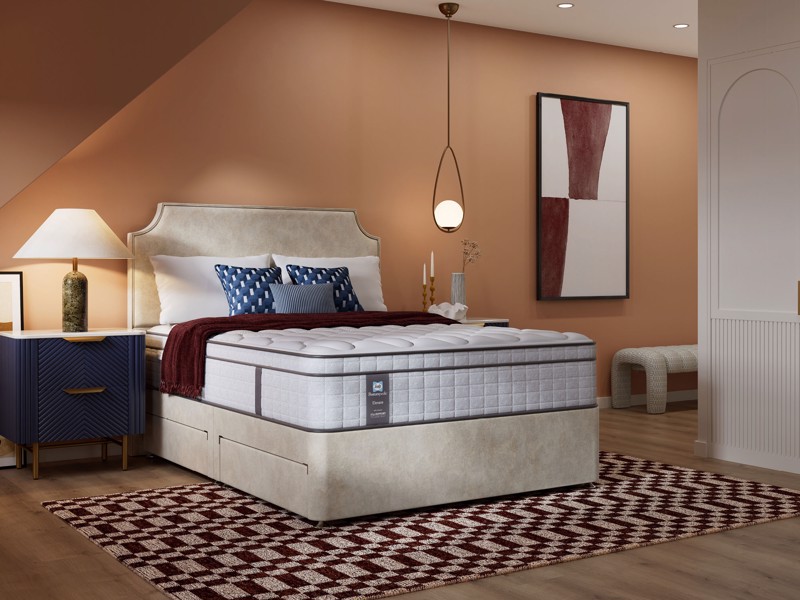
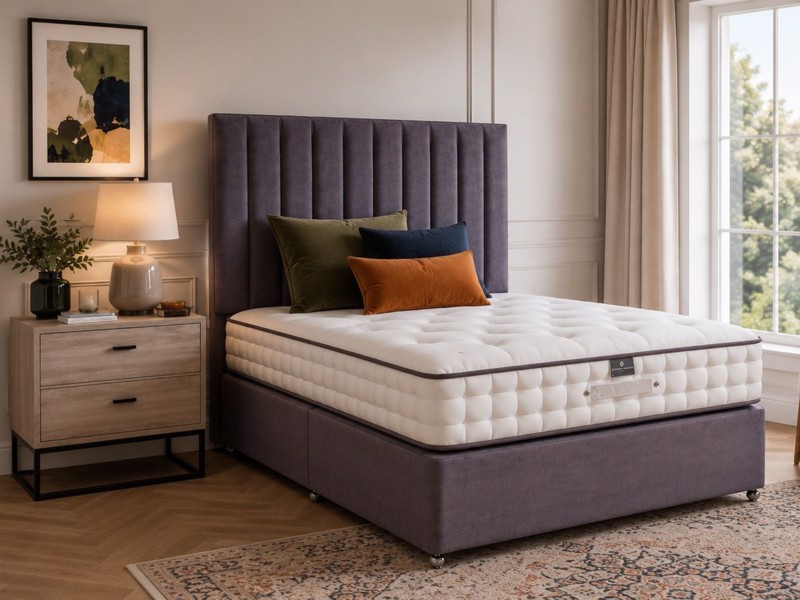
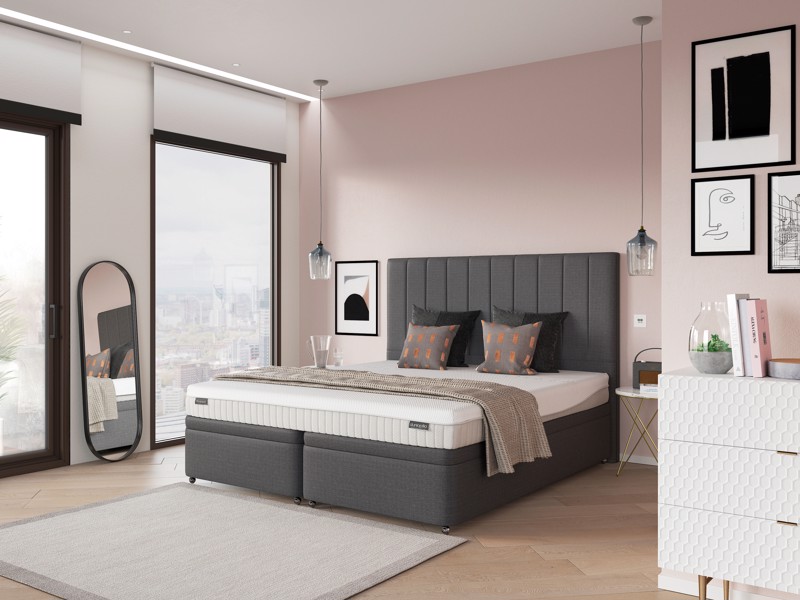
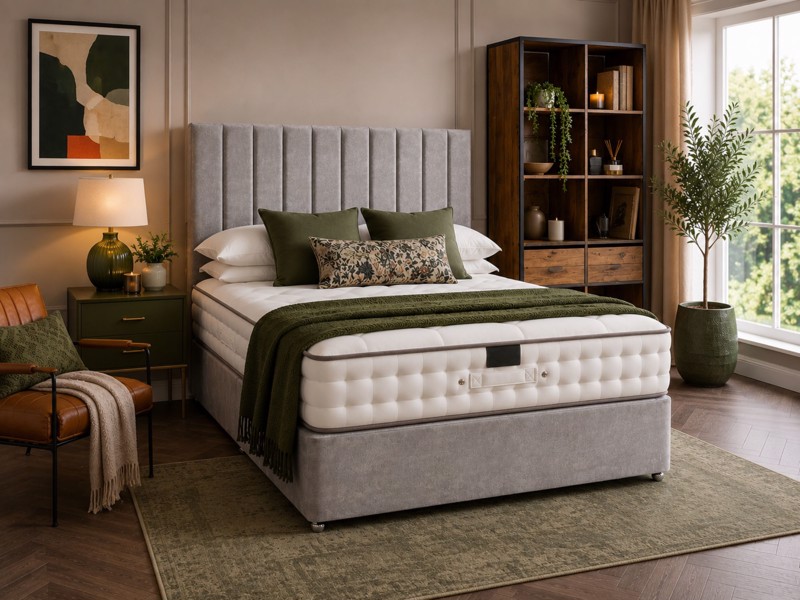
If allergies or asthma are affecting your sleep, the mattress you sleep on can make a real difference. Anti-allergy and hypoallergenic mattresses use materials that resist dust mites, reduce allergen build-up, and create a cleaner sleeping environment night after night. At Land of Beds, we stock around 75 hypoallergenic mattresses across latex, memory foam, and pocket spring constructions, from brands including Dormeo, Dunlopillo, Relyon, Sleepeezee, and Lewis and Jones. With over 50 years of experience and free delivery on orders over £100, we can help you find the right option for your needs.
Browse the full collection below, or use our guides to find the right hypoallergenic mattress for your sleep position, budget, and bed size. Our team is available seven days a week for a personal recommendation.
Choosing a hypoallergenic mattress is not just about picking something labelled anti-allergy. The material inside the mattress, the cover construction, and how the mattress is maintained all affect how well it performs for allergy sufferers over time. Getting the right combination matters - particularly if you have asthma, hay fever, or a sensitivity to dust mites. At Land of Beds, we can help you identify which construction type suits your specific situation, rather than pointing you towards the most expensive option on the shelf.
Three things have the biggest impact on how well an anti-allergy mattress performs for you. Get these right and the rest is straightforward.
| Factor | Why It Matters | What to Check |
|---|---|---|
| Construction and materials | Different materials have different natural resistance to dust mites and allergens. Latex is naturally the most resistant. Dense foam is good. Pocket spring with synthetic fillings works well. Natural fibre fillings are less suitable for allergy sufferers. | Avoid natural fillings such as wool, cotton, and silk if dust mites are a concern. Look for latex, memory foam, or synthetic-filled pocket spring options. |
| Cover and treatment | The mattress cover is the first barrier between you and the mattress internals. Treated or tightly woven covers significantly reduce allergen penetration. | Look for covers with anti-dust mite treatment, removable and washable covers, or certification from bodies such as Allergy UK. |
| Maintenance routine | Even the best hypoallergenic mattress requires regular care to stay effective. Dust mites thrive in warm, humid environments. | Use a quality mattress protector, wash bedding regularly at 60 degrees, and rotate the mattress as recommended by the manufacturer. |
Not sure where to start? Speak to our team on 01928 242829 or use the guide further down this page.
Hypoallergenic mattresses are available across all standard UK sizes. Your mattress must match your bed frame or divan base exactly.
| Size | Mattress Dimensions | Best For |
|---|---|---|
| Single (3ft) | 90 x 190cm | Children, teenagers, solo adults, guest rooms |
| Small Double (4ft) | 120 x 190cm | Solo sleepers wanting more space, smaller rooms |
| Double (4ft 6) | 135 x 190cm | Couples, guest rooms, smaller master bedrooms |
| King Size (5ft) | 150 x 200cm | Couples wanting more width and length |
| Super King (6ft) | 180 x 200cm | Maximum space, larger master bedrooms |
See our UK Bed Sizes Guide for room-by-room measuring advice.
Not all anti-allergy mattresses use the same approach. Construction type determines how naturally resistant the mattress is to dust mites and allergens, and how easy it is to keep clean over time.
| Type | Key Features | Best For |
|---|---|---|
| Latex | Naturally resistant to dust mites and bacteria. Breathable, moisture-wicking, and responsive. One of the most effective hypoallergenic constructions available. | Allergy and asthma sufferers wanting the strongest natural resistance to dust mites and allergens |
| Memory Foam | Dense structure leaves little space for dust mites to inhabit. Minimal airflow within the foam reduces moisture build-up. Look for covers that are removable and washable. | Those who want pressure relief alongside allergen resistance, particularly side sleepers |
| Pocket Spring with Synthetic Filling | Synthetic fillings such as polyester have a tighter fibre structure than natural alternatives, making them more resistant to dust mites. Good airflow through the spring system. | Those who prefer a traditional sprung feel but need to avoid natural fibre fillings |
| Gel Foam | Dense foam construction with similar dust mite resistance to memory foam. Cooler sleeping surface than standard foam. | Hot sleepers who also need allergen resistance |
A note on natural fibre fillings: mattresses filled with wool, cotton, cashmere, or silk tend to create a more hospitable environment for dust mites due to their breathable, moisture-absorbent properties. If dust mite allergy is a primary concern, these construction types are worth avoiding regardless of other qualities.
Choose a Latex mattress if:
Choose a Memory Foam mattress if:
Choose a Pocket Spring with Synthetic Filling if:
Choose a Gel Foam mattress if:
In our experience, the most common mistake allergy sufferers make is choosing a mattress with good cover treatment but natural fibre fillings underneath. The cover is the first barrier, but what is inside matters too - particularly as the cover wears over time.
The material inside a hypoallergenic mattress determines how it performs for allergy sufferers over its lifespan. Here is a plain comparison.
| Material | Allergy Performance and Maintenance | Best For |
|---|---|---|
| Natural Latex | Naturally resistant to dust mites, mould, and bacteria without chemical treatment. Breathable and moisture-wicking. Durable - can last 10 to 15 years. Spot clean; some covers are removable and washable. | Strong natural hypoallergenic performance, hot sleepers, long-term durability |
| Memory Foam | Dense closed-cell structure resists dust mite habitation. Not naturally breathable - look for open-cell foam or gel-infused versions. Spot clean only; use a washable mattress protector. | Pressure relief alongside allergen resistance |
| Synthetic Pocket Spring | Polyester and other synthetic fillings resist dust mites better than natural alternatives. Good airflow through the spring system. Rotate regularly; use a protector. | Traditional feel with reduced allergen risk vs natural fill equivalents |
| Gel Foam | Similar dust mite resistance to memory foam with improved temperature regulation. Spot clean; use a protector. | Allergen resistance for hot sleepers |
See our guide: How to Choose the Best Mattress for You for more detail on construction types.
Your budget affects the materials, construction quality, cover specification, and how long the mattress maintains its hypoallergenic performance.
| Budget | What You Get | Best For |
|---|---|---|
| Under £400 | Entry-level memory foam and synthetic pocket spring options. Good allergen resistance at an accessible price. | Guest rooms, children's rooms, those starting with an anti-allergy set-up |
| £400 to £799 | Better construction - improved foam quality, higher spring counts, enhanced cover treatments. Where most main bedroom buyers land. | Everyday use, couples, those with moderate to severe allergy concerns |
| £800 and above | Premium latex, superior synthetic fillings, higher-specification covers and longer guarantees. Built to maintain hypoallergenic performance for longer. | Long-term investment, master bedrooms, those with severe dust mite allergy or asthma |
Pairing your hypoallergenic mattress with a quality mattress protector significantly extends its effectiveness. A protector washed regularly at 60 degrees adds a washable barrier that the mattress itself cannot provide.
Looking for a quality hypoallergenic mattress at a lower price? We have options starting from under £300, with regular sales across selected models.
Our Price Promise Guarantee means you won't pay more than you should. Interest-free finance is available on eligible orders - see our finance page for full details on terms and how to apply.
Inclusion varies by product. As a general guide across our range:
| Item | Typically Included? |
|---|---|
| Mattress | Yes - always |
| Mattress cover / ticking | Yes - always |
| Pillow pair | Sometimes included as a promotional bundle - check individual listing |
| Care guide | Yes - always included |
| Mattress protector | No - sold separately. Essential for maintaining hypoallergenic performance and protecting your warranty. |
| Divan base or bed frame | No - unless part of a bundle deal |
Always check the individual product listing for full details on what's included before purchasing. This varies between products.
We offer a mattress removal and recycling service - we'll take away your old mattress when your new one is delivered. [TO CONFIRM: Please confirm whether old mattress removal is available on all hypoallergenic mattress orders or only selected ones.]
| What We Offer | Why It Matters to You |
|---|---|
| 50+ years of expertise | Honest, knowledgeable advice on which materials and constructions work best for different allergy types |
| Around 75 hypoallergenic mattresses | A wide selection of latex, foam, and synthetic spring options across all budgets and sizes |
| Free UK delivery on orders over £100 | No hidden delivery charges on the vast majority of orders. Some remote postcodes may incur a surcharge - see our delivery page for details. |
| Price Promise Guarantee | We'll match any like-for-like price you find elsewhere |
| Interest-free finance available | Spread the cost on eligible orders - see our finance page for terms |
| Expert advice, 7 days a week | Real people via phone, chat, or in-store - no scripts, no pressure |
| Family-run, independent retailer | We recommend what's right for you, not what generates the best margin |
| Rated Excellent on Trustpilot | [TO CONFIRM: Please confirm current Trustpilot review count, e.g. '9,000+ verified reviews'] |
Not sure which hypoallergenic mattress is right for your allergy type, sleep position, and budget? Our team has helped thousands of customers with this decision - and there's no pressure to buy. Chat online, call us, or visit our showrooms in Cheshire and Greater Manchester. We're open seven days a week.
| How to Reach Us | What to Expect |
|---|---|
| Live chat | Fast responses for quick questions. Available during opening hours. |
| Phone - 01928 242829 | Speak directly with a mattress expert. Best for detailed advice on materials, allergy suitability, and base compatibility. |
| In-store (Cheshire / Greater Manchester) | Try mattresses in person before you buy. See our store locations. |
| Help Centre | Buying guides, size guides, and FAQs available 24/7. Visit our help and advice section. |
| Question | Answer |
|---|---|
| What is a hypoallergenic mattress? | A hypoallergenic mattress is made from materials that naturally resist or reduce common allergens such as dust mites, mould, and bacteria. They are designed to create a cleaner sleeping environment, which is particularly beneficial for people with asthma, hay fever, or dust mite sensitivity. The term covers a range of constructions - the key is understanding which material and cover type best suits your specific allergy concern. |
| What is the difference between anti-allergy and hypoallergenic? | The terms are often used interchangeably, but there is a distinction worth knowing. Hypoallergenic refers to materials that are less likely to cause an allergic reaction by their nature - latex is a good example. Anti-allergy typically refers to mattresses that have been treated or constructed specifically to reduce allergen build-up, such as covers with dust mite-resistant treatment. Many mattresses in this range have both properties. |
| Are latex mattresses the best option for allergy sufferers? | For dust mite allergy specifically, natural latex is one of the strongest options available. It is naturally resistant to dust mites and bacteria without requiring chemical treatment, and its breathable structure helps manage moisture - one of the main factors that encourages dust mite growth. It is also very durable, which means the hypoallergenic performance is maintained for longer. The main consideration is cost, as quality latex mattresses sit at the higher end of the budget range. |
| Is memory foam good for allergies? | Yes, memory foam is a good choice for most allergy sufferers. Its dense closed-cell structure leaves very little space for dust mites to inhabit, and it does not contain the natural fibres that dust mites prefer. Standard memory foam can retain heat, so look for open-cell or gel-infused versions if temperature is also a concern. Always use a washable mattress protector on top. |
| Should I avoid natural fillings if I have allergies? | Generally, yes - if dust mite allergy is your primary concern. Natural fibres such as wool, cotton, cashmere, and silk are breathable and moisture-absorbent, which creates a more hospitable environment for dust mites over time. Synthetic fillings and foam constructions resist this more effectively. If you are drawn to a pocket spring mattress, look for one with a synthetic filling rather than a natural fibre comfort layer. |
| Do hypoallergenic mattresses need a mattress protector? | Yes, and it is one of the most important steps you can take. A hypoallergenic mattress reduces allergens within the mattress itself, but a washable protector adds a barrier between you and the mattress surface that can be cleaned regularly. Most allergy specialists recommend washing this at 60 degrees to kill dust mites. Browse our mattress protectors for suitable options. |
| How long should a hypoallergenic mattress last? | A quality latex mattress typically lasts 10 to 15 years, making it the most durable hypoallergenic option. Memory foam mattresses vary - budget options may last 5 to 7 years, while higher-quality versions last longer. Pocket spring mattresses with synthetic fillings typically last 8 to 10 years with proper care. Using a protector and following the manufacturer's care guide will extend the lifespan of any mattress. |
| Do you offer free delivery on hypoallergenic mattresses? | Yes, free UK delivery is included on orders over £100, which covers our entire hypoallergenic range. Some remote postcodes may incur an additional charge. Lead times vary by brand and model - check the individual listing for estimated delivery. See our delivery page for full details. |
| Can I buy a hypoallergenic mattress on finance? | Yes. Interest-free finance is available on eligible orders. See our finance page for full details on terms, eligibility, and how to apply. |
| What certifications should I look for on a hypoallergenic mattress? | Look for Allergy UK certification, which independently verifies that a product is suitable for allergy sufferers. OEKO-TEX certification confirms that materials have been tested for harmful substances. NBF membership indicates the brand meets verified industry standards for materials and manufacturing. These certifications are listed on individual product pages where applicable. |